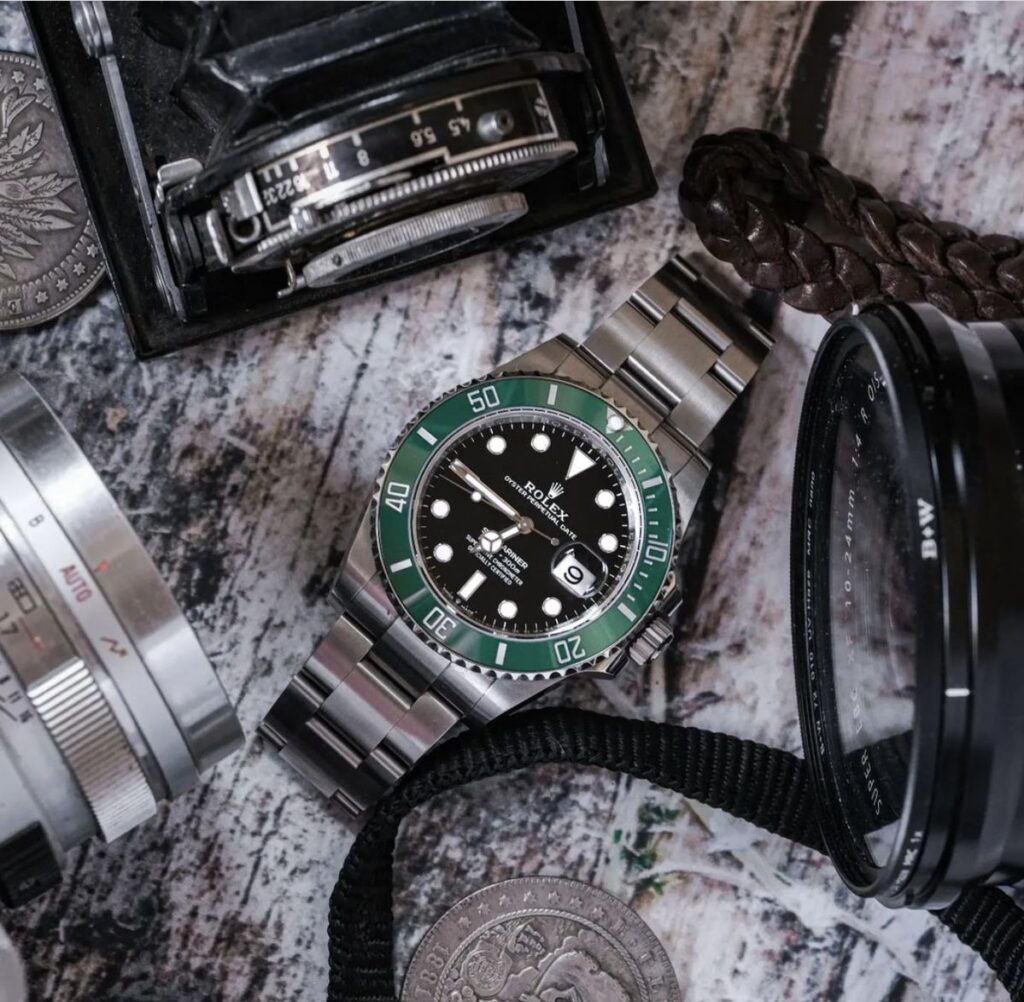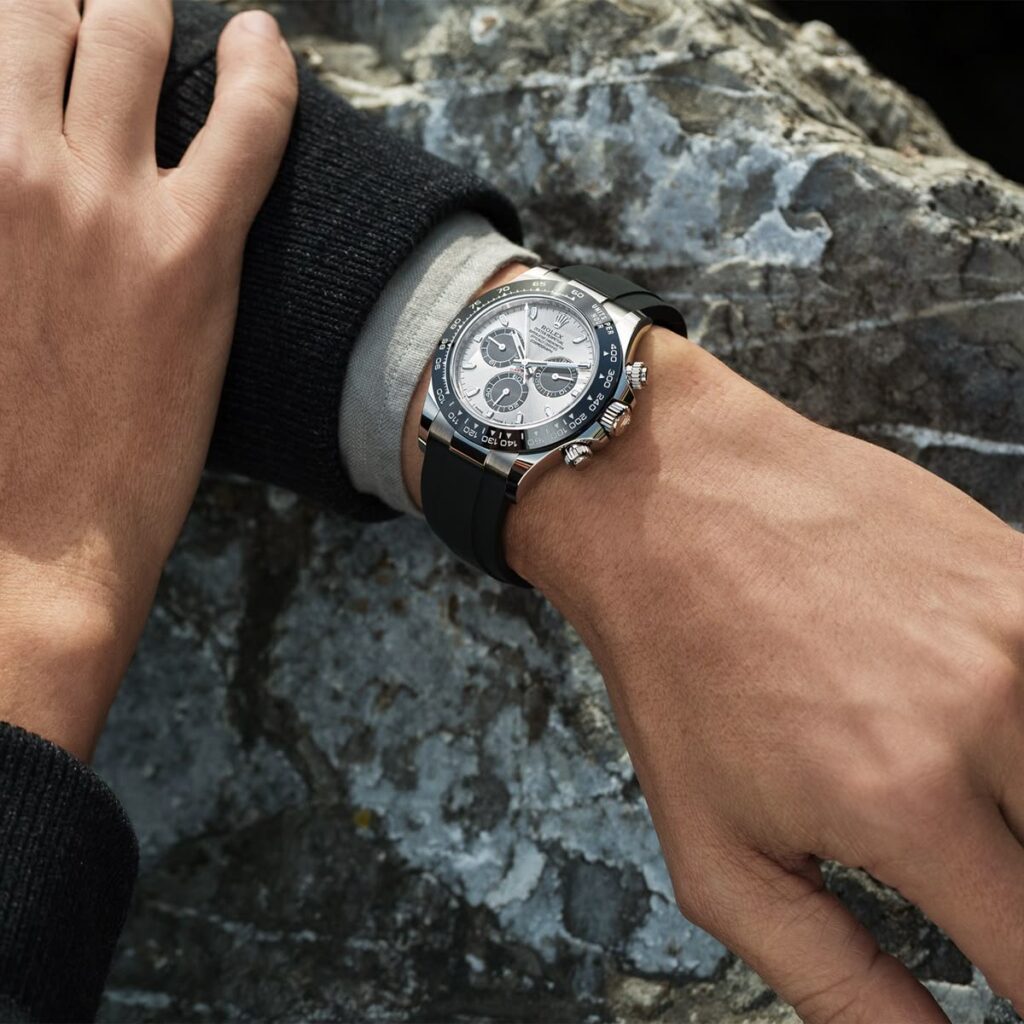

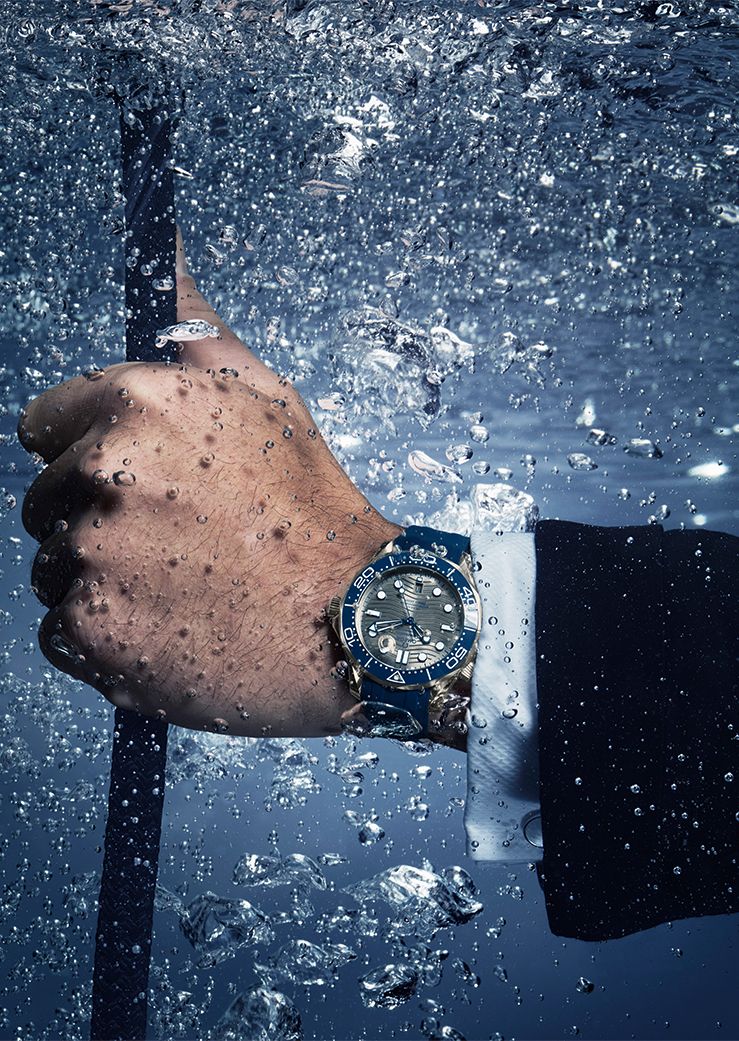
You have just unboxed your new VSF Omega Seamaster or Clean Factory Rolex Submariner. It looks incredible. The dial says “300m / 1000ft.” It feels solid as a tank. Naturally, you want to wear it everywhere-including the morning shower or the hotel pool.
Stop right there.
One of the most common ways clients destroy their high-end replicas is by trusting the text on the dial too much. While “Super Clones” are engineering marvels, waterproofing remains the one area where Factory QC (Quality Control) varies wildly.
So, can you shower with it? Here is the brutal truth.
The Short Answer
Can I swim with it out of the box? Maybe. It’s a gamble.
Can I shower with it? ABSOLUTELY NOT.
Why the Shower is the Enemy (Even for Gen Watches)
Many people assume that if a watch can handle the pressure of deep-sea diving, it can handle a 10-minute shower. This is false physics.
The problem isn’t water; it’s heat and chemistry.
- Thermal Expansion: Hot water causes the metal case and the rubber gaskets (O-rings) to expand at different rates. This temporary shape-shifting can create microscopic gaps where moisture can enter.
- Soap & Shampoo: Soap decreases the surface tension of water, allowing it to penetrate seals easier than plain water. Furthermore, soap scum builds up in the bezel and crown threads, drying out the rubber gaskets over time and making them brittle.
- Steam: Steam particles are much smaller than water droplets. Even a watch that is “waterproof” can often be penetrated by hot steam.
“Out of the Box” vs. “Pressure Tested”
When a Genuine Rolex leaves Switzerland, it has undergone rigorous wet and dry pressure testing. When a Replica leaves the factory in China, it is assembled quickly.
While top-tier factories (VSF, Clean, ZF) usually install the correct gaskets:
- They may not have applied enough silicone grease to the seals.
- The case back might not be screwed down to the perfect torque specs.
Treat your replica as “Splash Proof” (washing hands, rain) until proven otherwise. It is essentially Schrodinger’s Waterproofing-you don’t know if it’s sealed until you test it.
How to Safely Swim with Your Replica
If you want to take your watch into the ocean or the pool (cold water only!), you absolutely can-but you need to follow these steps first:
1. The Dry Pressure Test
Take your watch to a local watchsmith. Ask for a “Dry Pressure Test” (usually costs $10-$20). This machine uses air pressure to detect leaks without risking water damage to the movement. If it passes 5-10 ATM, you are good to swim.
2. Grease the Seals
If you are a DIY enthusiast, open the case back. Apply a thin layer of silicone grease to the rubber O-ring. This keeps the rubber supple and creates a better watertight barrier.
3. Screw Down the Crown!
This sounds obvious, but 90% of water damage happens because the user forgot to screw the crown down tightly after setting the time. If the crown is open, the watch is essentially a bucket.
The Verdict
Your replica is 95% of the genuine watch for 5% of the price. The trade-off is that you cannot blindly trust the factory waterproofing.
Our Professional Advice: Keep it out of the shower. Keep it out of the hot tub. And if you want to dive with it, spend the extra $20 to get it pressure tested first. A little prevention saves you from a rusty movement.